
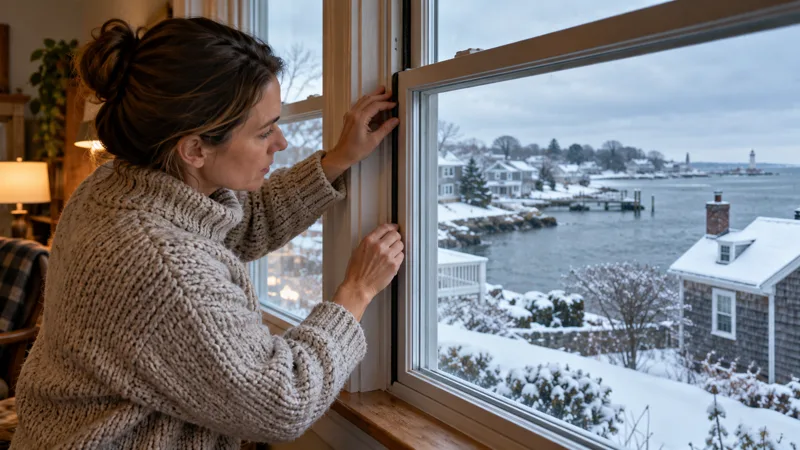
Rhode Island's Winter Weather Awareness Week is listed for October 25–31, 2026, and the National Weather Service's 2026 preparedness calendar confirms that range. As of October 7, the observance is upcoming. It is a week for public awareness, not a forecast of a particular storm or proof of a scheduled class. Use it to prepare for the disruptions that winter conditions can bring to ordinary life, and check Rhode Island authorities and the local National Weather Service for any specific announcements.
The week on the calendar
- Dates: October 25–31, 2026.
- Location: Rhode Island, USA.
- Format: winter weather awareness observance.
- Date source: NWS awareness and preparedness calendar.
- Subject reference: NWS winter safety resources.
This listing does not identify a ticket, instructor, venue, statewide drill, or attendance requirement. The useful independent task is to examine how your household would function if travel, heat, power, or deliveries were interrupted. A week provides enough time to divide the work into manageable checks. Choose the parts relevant to your situation rather than purchasing a universal kit. Current official forecasts, warnings, road information, and emergency instructions remain the sources for immediate decisions when weather develops.
List the services your home quietly depends on
Start with one ordinary evening and note what depends on electricity, fuel, water, transportation, or communications. Heating may require more than a fuel supply; a thermostat, pump, or fan may also need power. A meal may depend on refrigeration and a particular appliance. A medical routine may rely on charging, deliveries, or professional support. Do not guess how an unfamiliar system works. Identify the dependency, then ask the appropriate service professional or care team for the information needed to plan responsibly.
Next, mark which interruption would become difficult first. That will differ by household. A person using medical equipment may have an urgent continuity question, while another household may need to resolve an unreliable heating system or a caregiver's travel arrangement. Prioritizing by actual need prevents a long shopping list from hiding an important unanswered problem. The first useful awareness-week task may be a phone call or service appointment, not a purchase.
Keep the dependency list short enough to use. For each item, write the contact, the backup arrangement, and any question still unresolved. A backup can be an agreement to relocate, a professionally approved device, or an alternative routine. It does not have to mean reproducing every service at home. Be honest about what you cannot support safely. That honesty makes it easier to decide when an interruption requires outside assistance or a change of location.
Define the conditions for changing plans
Before a storm, discuss the point at which an optional trip will be postponed and how you will communicate the decision. A calendar commitment can exert surprising pressure once people have paid, prepared, or promised attendance. Naming an alternative in advance reduces that pressure. Use official forecasts and road information, and leave room for conditions to differ along a route. A safe decision is not a judgment on anybody's driving ability; it is a response to the information and options available.
Consider mandatory routines separately. If a household member has work, treatment, or caregiving obligations, ask the responsible organization about its winter interruption process before conditions worsen. Can an appointment be rescheduled? Who confirms a closure? How will a caregiver obtain help if a route is unavailable? Do not assume the institution's general website answers every personal need. A specific contact and an agreed procedure can be more valuable than another item added to the vehicle.
Choose how the household will follow changing information. A familiar official source is easier to use than a collection of contradictory social posts. Check notification settings and device charging, and think about people who need another language or an accessible alert format. Agree on who will review updates and when plans will be reassessed. That role should support everyone's decisions rather than turn one person into the sole keeper of information.
Arrange heat safely before improvisation becomes tempting
The NWS preparation guidance emphasizes planning for loss of heat and power and checking relevant supplies and alarms. Have heating equipment evaluated and serviced by qualified professionals according to its requirements. Ask how the system behaves during an outage and what actions the manufacturer and service provider recommend. Do not install, rewire, bypass, or improvise heating equipment based on a general preparedness article. Resolve unclear instructions while there is time to obtain competent help.
Carbon monoxide deserves an explicit boundary. The CDC carbon monoxide resource explains that generators and other fuel-burning devices can create dangerous exposure. Never use a portable generator, grill, or camp stove indoors or in a garage, and follow official placement and manufacturer requirements. A gas oven is not a home-heating substitute. Keep working carbon monoxide alarms according to applicable guidance, and follow emergency instructions if an alarm sounds or exposure is suspected.
If you are considering backup power, define the loads and needs before buying. Discuss medical equipment with the care team and equipment supplier, and electrical connections with qualified professionals. A battery or generator advertised with a large number may still be unsuitable for your intended use. Ask about compatible equipment, safe operation, maintenance, and actual duration under the required load. The correct plan may involve another location rather than attempting to power the entire household yourself.
Make relocation an ordinary option
Identify where you could go if the home cannot remain safely occupied. Ask a trusted person about a realistic arrangement, or learn how local authorities announce warming locations and assistance. Consider transportation, accessibility, medication, pets, and what you would bring. Do not assume every public facility accepts pets or provides the same services. Confirm those arrangements through the responsible organization. A destination is useful only when access and relevant needs have been considered.
Pack essential documents and contact information so they can be gathered promptly without exposing them unnecessarily. Decide who is responsible for necessary medication and care equipment, following professional instructions for storage and transport. Keep a short list for items that cannot remain packed. An organized departure plan can reduce the tendency to remain in a deteriorating situation merely because leaving feels complicated. Follow official evacuation or emergency guidance when it applies, rather than treating your personal threshold as a substitute.
Review food and water without making the pantry complicated
Choose ordinary foods the household will actually use and that fit the equipment safely available during an interruption. Consider allergies, dietary needs, children, and pets. Food requiring extensive cooking may be less convenient than its shelf life suggests. A familiar, rotating supply is easier to maintain than a special cache nobody knows how to prepare. Label storage clearly and make sure other household members can find it. Avoid introducing untested recipes or preservation methods as an emergency workaround.
The CDC emergency food-safety guidance explains how to evaluate refrigerated and frozen foods after a power outage and advises against tasting food to determine whether it is safe. Keep appliance thermometers and record outage timing when possible. Follow the current guidance for the food and conditions involved. Do not assume that snow or outdoor cold provides controlled refrigeration; a plan based on safe storage instructions is more dependable than improvising from how the weather feels.
For water, ask what interruptions are plausible for your residence and follow local utility or emergency instructions if a notice is issued. Stored drinking water and a clear understanding of official notices can be useful, but a filter is not a universal answer to every contamination problem. Do not infer treatment procedures from camping equipment advertising. If plumbing freeze prevention is a concern, seek property-specific advice from the landlord or a qualified professional before experimenting with heat or alterations.
Prepare the vehicle as part of travel planning
Have the vehicle's winter readiness reviewed appropriately, including maintenance items relevant to its manufacturer and your use. Check ordinary equipment such as lights, wipers, a scraper, and charging accessories. A vehicle kit should support a delay and fit the actual passengers. Consider warm clothing, lighting, appropriate food and water, and essential personal needs. Secure items so they do not interfere with occupants or vehicle operation. Equipment does not make hazardous travel necessary, and postponement remains a practical option.
Tell a responsible contact the intended route and expected arrival when a trip warrants it. Explain how you will communicate changes and what they should do if you are overdue. Do not rely on automatic location sharing alone; devices and service can fail, and the person receiving the information still needs context. If stranded or in immediate difficulty, obtain assistance through the appropriate emergency or roadside service and follow official guidance for the circumstances. Avoid walking into unfamiliar severe conditions based on a guess about distance.
Share winter work according to ability
Snow removal and other cold-weather tasks can be physically demanding. Ask a clinician about relevant health limitations and arrange help where needed rather than treating the work as a test of toughness. Decide who will clear necessary access and how the household will request assistance. Keep expectations realistic for older adults, people with disabilities, and anyone recovering from illness. A neighbor arrangement or paid service can be part of preparedness, provided it is agreed before everyone needs help at once.
Also discuss how to check on someone without expecting them to take risks to reassure you. A brief call or message may suffice when services work; a local support person may be more practical for a relative far away. Share only the information needed for the arrangement and obtain agreement before involving others. If there is a genuine emergency, contact the appropriate services rather than substituting an improvised welfare trip through hazardous conditions.
Give each day a small, finished task
You can use the week as a flexible sequence: identify dependencies, contact the right advisers, check alerts, review heating safety, organize food and water, examine travel arrangements, and discuss relocation. The sequence is a household suggestion, not an official Rhode Island daily campaign. Combine or reorder it according to your needs. Completing one important task well is preferable to partially opening seven projects. Keep a note of questions that require a professional response and return to them.
At the end, ask what became easier to decide. Perhaps you now know whom to call about heating, which trip can be postponed, or where necessary supplies are stored. Those are concrete improvements. Put routine checks on the household calendar and revisit the plan when equipment, residence, health needs, or daily travel changes. Awareness Week is useful because it creates a starting point; dependable preparation comes from keeping the resulting arrangements current.
Rhode Island's October 25–31 observance is an opportunity to resolve winter dependencies before an interruption makes them urgent. Use the confirmed calendar date, follow official weather information, and build a plan around safe heat, realistic travel, care needs, and accessible alternatives. Continue with preparedness events and Survival Skills, while obtaining qualified guidance for medical, electrical, heating, and property-specific questions that a general listing cannot answer.