
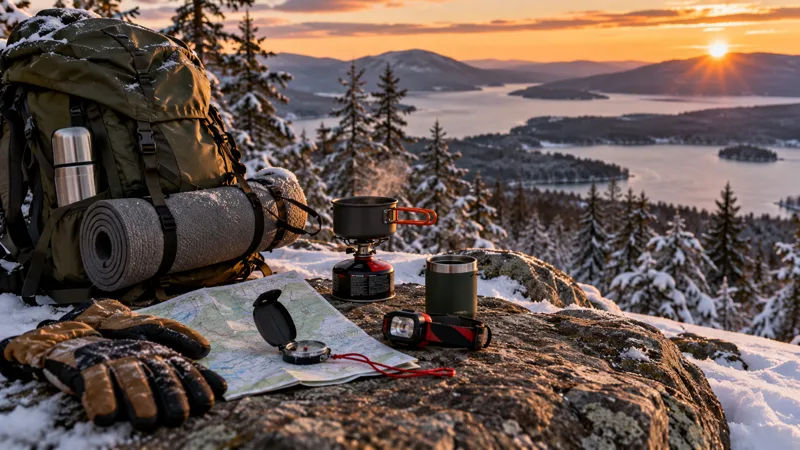
Winter Weather Preparedness Week is recorded for October 25–31, 2026, in New York, USA. As of October 7, that week is still upcoming. It is a public-awareness period, not an established ticketed class, and this listing does not identify a single venue or a statewide gathering to attend.
Dates, geography, and the source mismatch
- Recorded dates: October 25–31, 2026.
- Recorded region: New York, USA.
- Subject: weather safety and preparedness.
- Original linked page: NWS Boston winter safety page.
- Current date reference: NWS Awareness and Preparedness Calendar.
The National Weather Service's current awareness calendar lists New York's Winter Weather Preparedness Week for October 25–31, 2026, matching the recorded dates. The original Boston-office link has a geographic limitation: it is a New England office's winter resource, not a New York-specific event announcement. Use the calendar for the statewide date and the appropriate New York forecast office and local authorities for location-specific updates.
The guide below offers an independent way to use the awareness week at home. It does not claim that the NWS has scheduled these particular household activities or that participation provides a qualification. The aim is to make a winter plan understandable before a difficult forecast demands immediate decisions.
Think in terms of interrupted routines
Winter preparation becomes clearer when you examine ordinary routines rather than imagining one enormous storm. How does your household obtain heat, food, medication, transport, and reliable information? Which routines depend on electricity, an open road, or another person being available? The weak link is often a connection between activities rather than a missing object. A charged phone is useful, for example, only if needed contact information is accessible.
Different parts of New York experience different conditions and travel demands. A resident who usually walks and uses public transport has different practical questions from someone who relies on a long rural drive. A high-rise household and a detached home may have different heating and access constraints. Use local forecasts and official local guidance rather than assuming a single winter scenario covers the whole state.
Choose a realistic disruption for discussion. Suppose a forecast makes tomorrow's travel uncertain while normal services still work today. What decisions can you settle in advance? Perhaps you can clarify work expectations, check a family member's arrangements, or move a nonessential appointment. These actions reduce dependence on hurried choices later and can be accomplished without purchasing anything.
Make forecasts actionable
The NWS winter safety collection is a useful entry point for official information. For actual decisions, pair general safety material with the forecast and alerts for your location. Keep track of issue times and updates. An image shared by a friend may be accurate for a different area or may show an earlier forecast that has since changed.
Ask who in the household monitors official information and how changes reach everyone else. If several people rely on separate apps, they may receive different summaries or notifications. Agree on a source for current decisions and a way to communicate what it means. A forecast matters because it changes plans: whether to delay travel, check on someone, or follow an official instruction.
Do not attach household decisions to a single snowfall number. Travel and access can be affected by timing, wind, visibility, ice, and local conditions as well as accumulation. Avoid using this article as a forecast or a rule for when driving is safe. Follow current road information and official advice, and allow your plan to change when the conditions or guidance change.
Heating plans require professional boundaries
Identify the heating arrangements you already have and what happens when their normal support is interrupted. If a system needs maintenance, arrange qualified service before urgent weather creates pressure. Do not attempt unfamiliar repairs from a general preparedness article. Renters should ask the landlord or building manager about reporting problems and obtaining information during a service interruption.
Alternative heat and power can introduce serious risks when used incorrectly. The Consumer Product Safety Commission's carbon monoxide guidance is an authoritative resource. Follow official guidance and manufacturer instructions for fuel-burning equipment, and never improvise indoor use of equipment intended for outside operation. A desire to keep warm does not make an unsafe arrangement acceptable.
Check how alarms and other safety devices are maintained according to their instructions. If you are uncertain about placement, compatibility, or a device's condition, seek qualified advice. Also identify a supported alternative location you could use if your home cannot remain safe. Confirm arrangements rather than assuming a friend, public facility, or shelter will always be available without notice.
Outage supplies should be easy to find
Walk through the home and locate the items you would reach for during an interruption to power. Can every household member find appropriate lighting? Are controls understandable? Do you have relevant instructions and contact details accessible without a functioning internet connection? This check is best performed while lights and communications are working. It can reveal simple storage problems without creating a hazardous practice situation.
Consider everyday necessities alongside equipment. A supply plan needs to fit dietary requirements, medicines, assistive devices, and animals as applicable. Health-related continuity questions belong with clinicians, pharmacists, or service providers who understand the particular need. Do not rely on a generic list to determine how a prescribed medicine should be stored or how an electrically powered medical device should be supported.
Keep food planning practical and follow authoritative food-safety guidance during any real outage. Items that your household already uses are easier to manage than unfamiliar supplies purchased only for emergencies. Think about preparation requirements and safe storage rather than shelf life alone. If you have doubts about whether food remains safe after disrupted refrigeration, obtain official guidance rather than using taste as a test.
Travel decisions begin before the keys are picked up
Review which winter journeys are essential and who has authority to change them. A person may feel compelled to drive because a work or care arrangement has not been discussed. Where possible, clarify alternatives ahead of time. This is not a promise that travel can always be avoided; it is a way to prevent avoidable commitments from becoming urgent when official advice favors staying off the road.
If you rely on a vehicle, follow its manufacturer's recommendations and arrange appropriate maintenance. Ask a qualified professional about any concern you do not understand. Supplies kept in a vehicle should be suitable for the conditions and accessible, but they do not make hazardous driving safe. Road closures and current travel advisories remain more important than confidence in the equipment you carry.
For public transport, identify where current service updates appear and what you will do if a connection is suspended. For walking, consider whether access routes are maintained and whether a safer alternative exists. Do not assume your usual path will remain usable. The useful preparation is a decision process that includes postponement and assistance, rather than a commitment to complete the journey regardless of conditions.
A check-in plan should include consent
People who live alone or have support needs may benefit from a clear check-in arrangement. Ask what help they actually want and which communication method they prefer. Avoid creating a plan that assumes they will accept an unexpected visit or share sensitive information. A modest agreement about when to call and whom to contact if communication fails can be more useful than vague promises to look after one another.
Write down relevant contacts and make the information available to the people who need it. Include building management, care providers, and local service contacts where appropriate. If someone uses hearing, language, or accessibility accommodations, discuss how alerts and check-ins will work for them. Preparedness is more effective when it reflects existing needs instead of expecting everyone to use the same channel.
During an actual event, use official instructions for emergency help and support services. Do not send someone into dangerous conditions merely because a scheduled call was missed. A plan should describe how uncertainty is escalated appropriately, with the relevant professional or emergency service when needed. Its purpose is to reduce confusion while respecting safety and the person's preferences.
Use the week to complete three decisions
For October 25–31, select a few achievable tasks: identify your official local forecast source, clarify one heating or outage concern, and agree on one travel or check-in arrangement. These are suggested household activities, not an official daily program. Small completed decisions tend to be more durable than an ambitious checklist that remains unfinished when attention moves elsewhere.
Set a review point later in the season. People change schedules, equipment ages, and contact details become outdated. A plan that worked in October may need adjustment after a move, a new medicine, or a change in commuting. Keep the written version brief enough that household members will actually read it, with links or contacts for details that require current information. Date the review so readers can distinguish an actively maintained plan from an old note. A short conversation about one changed assumption can prevent the household from relying on an arrangement that no longer exists.
The calendar supports this listing's New York dates, while the original Boston link remains a general regional winter resource. Treat that distinction clearly when sharing the page. For actual warnings and local decisions, return to current official information. Explore preparedness awareness listings as reminders to act, and use the week to make your household's winter choices more deliberate and easier to communicate.