
Minnesota's November reminder reaches beyond snow
Winter Hazard Awareness Week is recorded for November 16–20, 2026, in Minnesota, USA. The National Weather Service awareness and preparedness calendar confirms that range. As of October 7, it is upcoming. This listing describes an awareness campaign rather than a ticketed event at a single venue. Local schools, employers, or community groups may announce activities separately; no particular presentation or registration arrangement is established here.
The original NWS winter-safety resource provides the general subject link. Use the November week as a prompt to review several settings in which winter can affect ordinary life: the journey between warm places, outdoor work, recreation, household support, and the ability to seek help. The sections below are an independent planning guide, not an official schedule of daily topics. Campaign dates also do not predict weather or certify that frozen water is suitable for use.
Look closely at the spaces between warm destinations
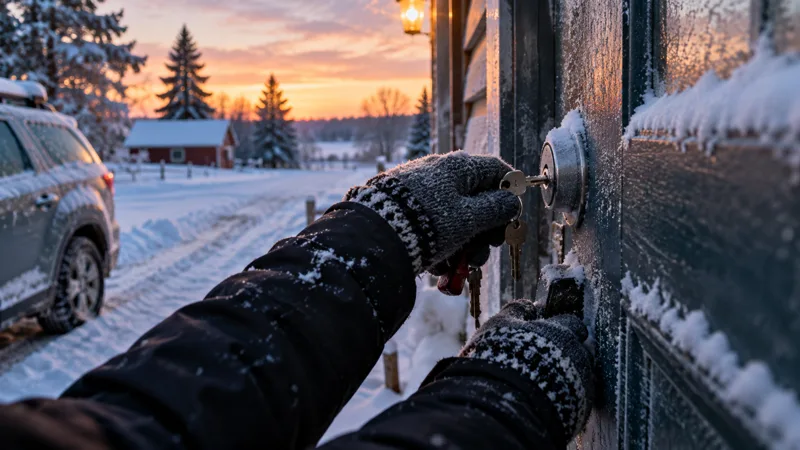
People often prepare for a long outdoor activity while overlooking a short transition. A walk from a parking area, a wait for transport, or a trip to an outbuilding can become longer than expected. Imagine arriving with hands full and discovering that a door is locked or a ride delayed. What clothing and communication options remain available? This planning example does not require imagining a remote survival emergency; it concerns interruptions to familiar routines.
Identify transitions that deserve a different arrangement. A schoolchild may need an agreed sheltered waiting location under the school's procedures. A worker may need suitable clothing available even when the job itself is indoors. A person with mobility limitations may need additional time and an accessible entrance that remains maintained. Confirm these arrangements with the responsible institution instead of assuming someone else has addressed them.
The NWS cold-weather preparation page encourages checking forecasts, adjusting schedules, and dressing for outdoor conditions even when outdoor time seems brief. Turn that broad advice into a habit at home: check the actual journey before choosing clothing. Conditions at the destination and the return time matter too. A quick morning glance does not settle every later activity.
Plan outdoor work around people and stopping points
Winter chores can accumulate a sense of urgency. Paths need clearing, deliveries arrive, and animals require care. Decide who is physically able and appropriately equipped to do each task. Ask your clinician about exertion or exposure limits when health conditions may matter. Do not treat a seasonal checklist as a medical clearance. Arrange paid or community assistance before a storm if someone cannot safely perform a recurring chore.
Describe the task in stages so there are natural points to reassess. Where can the worker return to warmth? Can someone check in? Is lighting adequate? Which conditions would make postponement or professional help appropriate? These questions are more useful than promising to finish everything regardless of circumstances. A partly completed nonessential task can be an acceptable result when the alternative requires unsafe effort.
Keep tools suitable and maintained according to their manufacturers. Clothing should allow safe movement around the equipment actually used. Avoid operating unfamiliar machinery or improvising repairs because service seems inconvenient. For work on roofs, electrical systems, heating vents, or hazardous surfaces, use qualified professionals. Winter planning should identify those boundaries in advance so pressure does not quietly expand the job beyond your competence.
Recreation needs its own decision, not a seasonal assumption
A November awareness week can encourage anticipation of skiing, fishing, skating, or other winter activities. Check the specific location's current conditions, access rules, and official information. The mere fact that an activity usually occurs during winter does not establish suitability on a given day. A route that was familiar last season may have a different closure, surface, or facility arrangement now.
For frozen water, the Minnesota Department of Natural Resources ice-safety page emphasizes that ice safety cannot be judged from appearance alone and that conditions vary. This article deliberately provides no thickness threshold or crossing procedure. Use current DNR guidance and qualified local instruction, and choose a land-based alternative when uncertainty remains. Other people being on the ice is not a guarantee for your activity or location.
A sensible recreation plan includes permission, suitable equipment, a communication arrangement, and a realistic option to cancel. Discuss the plan with companions before reaching the site. An enthusiastic group can make it harder for one member to voice concern. State plainly that anyone can raise a safety question and that a change of plan is acceptable. Familiarity with the area should encourage careful observation, not replace it.
Cold-weather equipment should be judged in use
When comparing clothing, think about fit, movement, moisture management, and compatibility with other pieces. A warm garment that prevents safe use of a tool or interferes with vision may be unsuitable for the task. Try the arrangement in benign conditions and follow manufacturer instructions. Do not wait for difficult weather to discover that the chosen gloves cannot operate the phone or that the footwear prevents a comfortable fit.
For everyday travel, separate worn clothing from reserve items. A dry layer kept protected can be useful after a wet transition, but only if it remains accessible. Pack in a way that prevents a spilled drink or damp footwear from affecting everything else. Avoid assuming one premium item compensates for several neglected needs. The best arrangement is one the person can use and maintain without constant rearrangement.
For lighting, test the controls with the clothing likely to be worn. A lamp that is technically bright may still be awkward if its button is difficult to locate. Choose stable placement for shared tasks and an appropriate portable option where hands need to remain free. Keep power supplies compatible and inspect storage condition periodically. Equipment readiness is a routine, not an effect of buying an expensive model.
Recognize when professional help is needed
Cold exposure can become a medical concern, and a general article should not be used as a diagnosis or treatment manual. The NWS during-cold-weather guidance discusses frostbite and hypothermia and the importance of responding promptly. If someone has concerning symptoms such as confusion, unusual drowsiness, impaired coordination, or suspected cold injury, seek urgent professional assistance and follow emergency-service instructions. Do not continue an outing to see whether the problem resolves.
Prepare the communication side before an activity. Know how to identify the location to emergency services and whether coverage is available. A place name can be insufficient if a property has multiple entrances or a trail network. Keep suitable location information accessible and make the plan known to a trusted contact. Do not assume a phone's presence guarantees a call can be completed everywhere.
Consider how companions will recognize a change in someone's behavior. A quiet participant may be concentrating, tired, uncomfortable, or experiencing a problem; ask rather than guessing. Establish check-ins that do not embarrass anyone for mentioning cold or fatigue. Good group practice makes it easy to stop and seek help. Pride should not determine whether someone receives appropriate care.
Household support works better with permission and boundaries
Ask relatives and neighbors what help they would welcome during winter disruptions. Someone may prefer a scheduled phone call rather than an unannounced visit. Another may need help locating an official service or arranging delivery. Agree on the contact method, the expected timing, and what happens if there is no answer. Avoid promising a rescue or repair you cannot provide safely.
For vulnerable household members, involve the right professionals in contingency planning. Medical equipment, medication storage, heating suitability, and accessibility may require more than a generic supply list. Identify the clinician, supplier, landlord, or service provider responsible for answering each question. Keep necessary information available to the people authorized to help, while respecting privacy. A prepared household knows where reliable advice comes from.
Pets and livestock need their own practical arrangements. Consult veterinary and appropriate agricultural guidance for care requirements rather than extrapolating from human clothing advice. Identify who will provide food, water, shelter checks, and backup assistance. Ask how power or access interruptions affect the current arrangement. Resolve those dependencies before they become difficult, and avoid taking hazardous routes to perform work that requires a different safe plan.
Review the whole plan without staging a dangerous test
A discussion can reveal weak points without exposing anyone to cold or disabling essential systems. Pose one hypothetical change: a ride is canceled, a person cannot return on time, or the household needs another warm destination. Ask who checks official information, who contacts others, and which arrangement applies. The purpose is to find confusion and correct it, not to judge people for forgetting a detail.
Choose two or three improvements after the discussion. You might update a contact sheet, confirm an accessible waiting location, arrange professional advice, or inspect protective clothing. Assign responsibility and a date. Keep tasks modest enough to finish, and return to unresolved issues at the next review. A manageable plan is more likely to remain active through winter than an ambitious document nobody revisits.
The verified November 16–20, 2026 campaign provides a common reminder for Minnesota residents. Its value lies in connecting ordinary activities with safer decisions: an appropriate stop during outdoor work, a changed recreation plan, a reachable helper, or clothing available during a delay. Use current official conditions for each real activity, seek qualified help for medical and technical concerns, and let the awareness week strengthen habits that continue after its final day.