
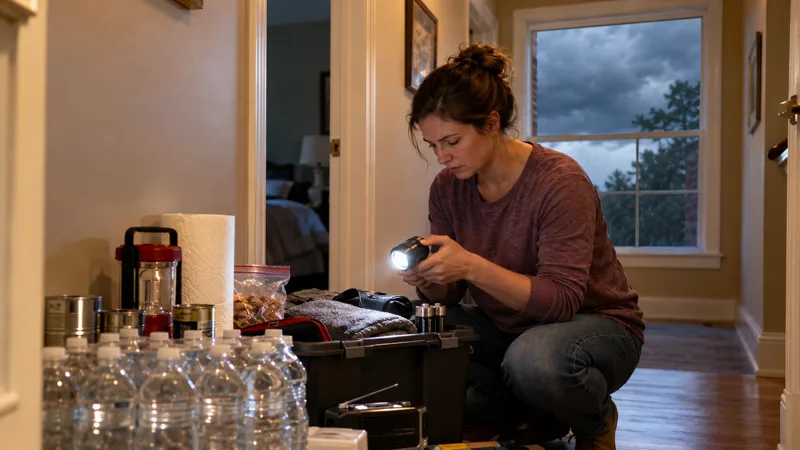
Alabama's Fall Severe Weather Awareness Day is listed for October 21, 2026. The National Weather Service's current awareness calendar confirms that date. As of October 7, the observance is upcoming. It is a statewide preparedness prompt, not evidence of a single venue, a ticketed course, or a scheduled tornado. Use the date to review the decisions your household would make when dangerous weather interrupts an ordinary autumn day, and follow local National Weather Service and emergency management information for any announced activities.
The statewide observance
- Date: October 21, 2026.
- Location: Alabama, USA.
- Format: severe weather awareness observance.
- Original safety source: NWS severe weather safety.
- 2026 date confirmation: NWS awareness and preparedness calendar.
An awareness day can be useful even when you attend no organized event. Set aside a manageable period to examine warnings, shelter, communication, and interruptions to daily routines. The guide below is an independent household planning exercise; it does not describe an official Alabama program or promise a statewide drill. If a school, workplace, or local agency announces a drill, use its instructions and distinguish the exercise from an actual warning. Real-time official alerts always take priority over an informal practice plan.
Start with the hour nobody is together
Many emergency plans imagine the family sitting at home with every device charged. Begin instead with a plausible fragmented day. One adult is at work, a child is at school, a relative is visiting a clinic, and somebody is driving between errands. Write down where each person would obtain a warning and who controls the shelter decision in that setting. This exposes questions a home-only plan misses, such as whether a visitor knows the workplace shelter or whether a caregiver can reach a protected room.
Do not solve that scenario by promising everyone will rush home. Travel may be the least useful action during dangerous conditions. Ask each person to learn the shelter arrangement where they already spend time. At school, follow the school's plan. At work, identify the responsible staff and the designated location. For a regular appointment, ask the facility how visitors receive alerts. These conversations are easier when no storm is approaching and make the family plan compatible with the organizations around it.
Choose a communication goal that supports those shelter decisions. “Let us know you are safe when conditions permit” is more workable than expecting a lengthy live conversation during every alert. Establish an out-of-area contact if that fits the household, save important numbers, and write down how to reconnect after an interruption. A phone call that goes unanswered should not trigger an improvised drive into hazardous weather. Make that expectation explicit so concern does not become pressure to take unnecessary risks.
Make the warning noticeable and understandable
Check the alert settings on devices actually used by the household. A spare phone in a drawer does not help the person whose everyday phone is silent or has notifications disabled. Ask whether each person can hear, see, or otherwise receive the alert, including during sleep. Consider language, hearing, vision, and technology barriers. Test accessibility arrangements with the people who need them rather than assuming that one loud device solves every problem. The aim is timely understanding, not merely owning equipment.
Multiple information paths can reduce dependence on one service. A weather radio, official local broadcasts, and phone alerts have different practical strengths and limitations. Review how your selected devices receive power and how you recognize an official message. Avoid treating outdoor sirens as the household's complete indoor warning system. Ask local officials about the role and limits of the systems in your area. A short written explanation beside a radio can help a visitor understand why it sounds and what to do next.
Review the language used in official alerts through the NWS severe weather resource. The useful question is not simply whether someone can define a watch or warning on a quiz. Ask them what action that message changes in the next few minutes. If the household has agreed to prepare during a watch, name the preparation: checking the shelter, charging equipment, or adjusting plans. If a warning requires shelter, everyone should know where to go without another discussion.
Inspect the path to shelter
The NWS tornado guidance recommends a basement, safe room, or interior room away from windows at home, and following the established shelter plan at work or school. Mobile homes and tents are not safe tornado shelters. Use that guidance to evaluate your actual situation with local officials where needed. This article cannot assess a building's construction or certify a particular room. If the home lacks suitable shelter, resolve the alternative before a warning arrives.
Once the destination is identified, examine the route. Can a person using a walker move through it? Does a door stick? Is the space filled with storage that takes several minutes to clear? Do children recognize it in darkness? A household drill can be a calm walk that reveals these practical obstacles. Fix the smallest problems first: move a box, label a light, or place necessary items where they can be reached. Avoid making the exercise frightening or competitive.
Think through pets without allowing pet retrieval to delay an urgent protective action. Discuss carriers, leashes, and the best ordinary place to keep them. Ask whether the selected shelter can accommodate the animals and what a public shelter permits if one is part of your plan. A pet that hides when people hurry may need patient preparation in advance. The important planning outcome is an agreed approach, including the understanding that people follow immediate official safety instructions when time is short.
Build a small shelter supply set
A shelter supply set should support the time spent taking cover and the first decisions afterward. Consider reliable lighting, footwear, essential medication needs, a charged communication device, and copies of key contact information. Add items for children or disability-related needs when they have a clear purpose. Store supplies so they do not obstruct the room or become a confusing pile. Ask every regular user where the equipment is kept; a box known only to one adult is an avoidable weakness.
Compare lighting choices by how they work in that specific space. A headlamp leaves hands available, while a freestanding light can help several people see. Either choice needs a power plan and a familiar switch. Avoid using this awareness day as a shopping contest. First test the lights already owned, replace failed batteries, and see whether the arrangement works. If you buy something, choose it to solve the observed problem rather than because an emergency-kit advertisement describes it as essential.
For medication or medical devices, involve the appropriate clinician, equipment supplier, or care team in continuity planning. Do not improvise power connections, change prescribed use, or assume that a general-purpose battery can run a device safely. Record who to contact and what professional guidance says about an interruption. The household exercise can reveal an unanswered question, but the answer should come from a qualified source. Keep personal health information accessible to the people who need it and protected from unnecessary sharing.
Separate weather hazards from one another
Severe weather planning is broader than tornado shelter. A household may need different decisions for lightning, damaging winds, or flooding. Ask which activities become inappropriate under each hazard and which authority provides the relevant warning. A covered outdoor gathering area, for example, should not be assumed to provide the same protection as a substantial building. Avoid forcing every situation into one memorized response. Use the official hazard-specific guidance and give each common activity a realistic cancellation or relocation option.
For travel, keep the flood boundary clear: do not drive into flooded roads. The NWS flood safety page explains the danger behind that instruction. In your own planning, identify places where you are likely to encounter uncertainty and decide that arrival times can change. A school pickup, work shift, or appointment needs a communication alternative if a route closes. The useful advance decision is permission to stop or delay, not a promise to find a clever way through water.
Consider who will make decisions for an outdoor event hosted by your household or organization. Assign a person to monitor official information, identify the indoor alternative, and explain how participants will be notified. Do this before decorations, food, or ticket costs create pressure to continue. A written cancellation plan can reduce arguments when conditions deteriorate. Do not designate someone merely to watch the sky; pair observation with reliable warnings and a destination that is appropriate for the hazard.
Plan the morning after without assuming the damage
A post-storm plan should begin with information and caution rather than an immediate cleanup campaign. Follow local instructions about roads, utilities, and access. Decide how the household will check on relatives and neighbors without entering an unsafe area. Keep important insurance and housing contact details in a form you can use if a computer is unavailable. Discuss where you might stay if the home cannot be occupied, including the needs of pets and anyone requiring an accessible environment.
Make a modest inventory of important belongings before trouble occurs. Photographs and records can help you describe losses later, but keep personal documents secure and backed up appropriately. An awareness-day task might be gathering policy numbers or recording the contact for a landlord, not completing every administrative project in one evening. Choose one manageable improvement that removes a real obstacle. Preparedness becomes sustainable when it is attached to ordinary household maintenance instead of reserved for a dramatic annual overhaul.
A short exercise with a useful debrief
Give the household a simple fictional message: an official warning has arrived while everyone is home. Walk to the agreed shelter, confirm the alert source, and locate the supplies. Then stop the exercise and ask what was unclear. Was a route blocked? Did someone misunderstand the destination? Could a child identify the adult responsible? Avoid surprise drills or pretending that a real emergency has occurred. The purpose is to discover friction in a calm setting, not to test anybody's courage.
Record three outcomes: what worked, what needs changing, and who will handle the next action. Keep the changes small enough to finish soon. Moving stored items may matter more than drafting a long document. Contacting a workplace about its shelter may matter more than adding food to a kit. Revisit the plan when the household changes, a new person moves in, or a regular daily location changes. That turns October 21 into the start of a useful habit instead of a date remembered only once.
Alabama's October 21 observance offers a clear moment to check warning access and shelter decisions before the next urgent message. Confirm any local activities through the responsible agency, then apply the official safety guidance to your own home, work, travel, and care arrangements. A practical plan should be understandable to the people expected to use it. Continue with other preparedness listings and Survival Skills, while keeping current official alerts as the source for immediate weather decisions.